- Contact Us :
- 055-3412312-16
- info@mehboobgroupofindustries.com

The Rise of Eco-Friendly Construction Practices in Pakistan

Cement vs Concrete What Builders in Pakistan Should Know
June 11, 2025
New Construction Materials for a Sustainable Pakistan
October 11, 2025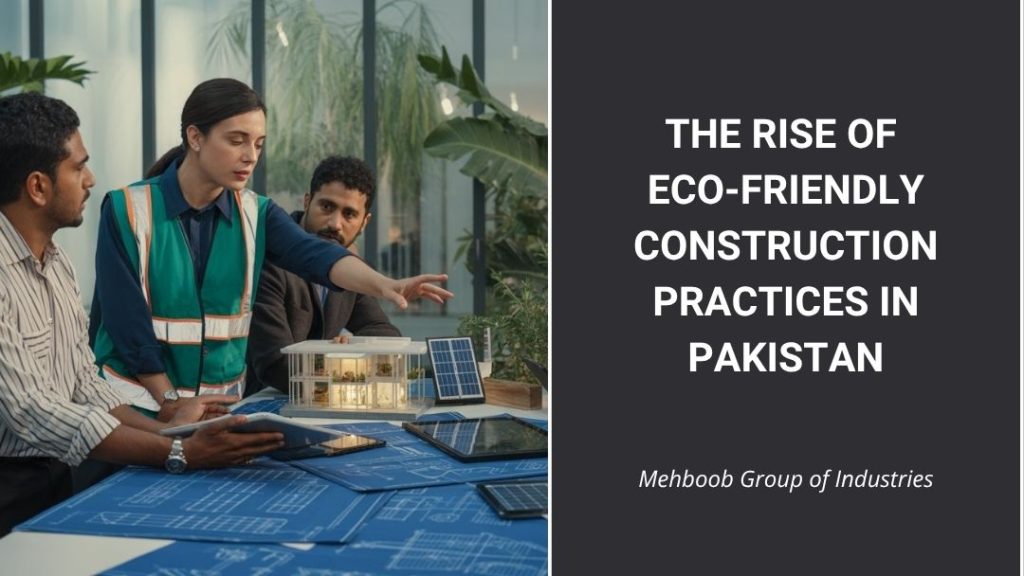
Pakistan’s construction industry stands at a pivotal moment. With rapid urbanization, climate challenges, and growing environmental awareness, the sector is experiencing a significant shift toward sustainable building practices. This transformation isn’t just an environmental necessity, it’s becoming an economic imperative that’s reshaping how Pakistani builders, developers, and manufacturers approach construction projects.
The adoption of eco-friendly construction practices in Pakistan represents more than a trend; it’s a fundamental change driven by multiple factors including climate resilience needs, energy cost management, and evolving consumer preferences. For industry stakeholders, understanding this shift is crucial for staying competitive in a market that increasingly values sustainability alongside traditional construction priorities.
This comprehensive guide explores the key drivers behind Pakistan’s green construction movement, examines the materials and techniques gaining prominence, and provides insights into how companies can navigate this evolving landscape successfully.
What is Driving the Shift Toward Sustainable Construction in Pakistan?
Climate Change and Extreme Weather Events
Pakistan faces some of the world’s most severe climate challenges. The 2022 floods affected 33 million people and caused damage exceeding $30 billion, highlighting the urgent need for climate-resilient infrastructure. These extreme weather events have pushed both government agencies and private developers to prioritize sustainable construction methods that can withstand environmental stresses.
Buildings designed with eco-friendly principles typically incorporate better drainage systems, flood-resistant materials, and improved structural integrity. This climate adaptation approach isn’t just about environmental responsibility it’s about creating infrastructure that can survive and function during extreme weather conditions.
Rising Energy Costs and Economic Pressures
Pakistan’s energy crisis has made operational efficiency a critical concern for building owners. With electricity costs continuing to rise and frequent power outages affecting daily operations, energy-efficient buildings offer substantial long-term cost savings. Green construction practices that focus on insulation, natural lighting, and passive cooling can reduce energy consumption by 30-50%.
These economic benefits are particularly attractive to commercial developers and industrial facility owners who face significant operational expenses. The initial investment in sustainable materials and design often pays for itself through reduced utility costs within 5-7 years.
Regulatory Changes and Government Initiatives
The Pakistani government has begun implementing policies that encourage sustainable construction. The Green Building Guidelines introduced by the Pakistan Engineering Council and various provincial building codes now include environmental performance standards. These regulations, while still evolving, create a framework that incentivizes developers to adopt eco-friendly practices.
Additionally, international financing institutions increasingly require environmental compliance for major infrastructure projects, pushing larger construction companies to integrate sustainability into their operations.
Growing Consumer Awareness and Demand
Urban Pakistani consumers are becoming more environmentally conscious, particularly in major cities like Karachi, Lahore, and Islamabad. This awareness translates into market demand for energy-efficient homes, green office spaces, and sustainable commercial buildings. Developers who can demonstrate environmental credentials often command premium prices for their projects.
Which Eco-Friendly Building Materials Are Gaining Traction in Pakistan?
The Sustainable Role of Steel in Green Construction
Steel plays a crucial role in Pakistan’s sustainable construction landscape. Modern steel production techniques have significantly reduced the carbon footprint of steel manufacturing, while the material’s inherent properties make it an excellent choice for eco-friendly building projects.
Recycled steel content in construction projects has increased substantially. Steel’s durability means buildings last longer, reducing the need for frequent renovations or replacements. Its strength-to-weight ratio also allows for more efficient structural designs that use fewer materials overall.
Low-carbon steel production methods are emerging in Pakistan’s industrial sector, with companies investing in cleaner production technologies. This shift toward greener steel manufacturing aligns with global sustainability trends while maintaining the material’s structural advantages.
Locally Sourced Materials and Regional Solutions
Pakistani builders are increasingly turning to locally available materials that reduce transportation costs and environmental impact. These include:
- Compressed earth blocks made from local clay
- Bamboo for specific applications in rural construction
- Recycled brick and concrete aggregates
- Local stone and natural materials
Using locally sourced materials not only reduces carbon emissions from transportation but also supports regional economies and ensures materials are well-suited to local climate conditions.
Innovative Material Technologies
New composite materials and treated natural materials are entering the Pakistani market. These include recycled plastic building blocks, improved concrete mixtures with industrial waste additives, and advanced insulation materials designed for Pakistan’s climate conditions.
How Are Energy Efficiency and Passive Design Influencing Modern Construction?
Building Orientation and Natural Climate Control
Passive design principles are gaining recognition among Pakistani architects and builders. Proper building orientation can reduce cooling costs by 15-25% by minimizing direct sunlight exposure during peak heat hours while maximizing natural ventilation opportunities.
Traditional Pakistani architecture already incorporates many passive design elements, such as courtyards for natural cooling and thick walls for thermal mass. Modern sustainable construction combines these time-tested approaches with contemporary materials and techniques.
Advanced Insulation and Thermal Performance
High-performance insulation materials are becoming more available in Pakistani markets. These materials help maintain comfortable indoor temperatures while reducing air conditioning loads. Proper insulation can cut cooling costs by 30-40% in Pakistan’s hot climate regions.
Double-glazed windows and improved door sealing systems are also gaining adoption, particularly in commercial and high-end residential projects where the investment in energy efficiency justifies the additional upfront costs.
Integration of Renewable Energy Systems
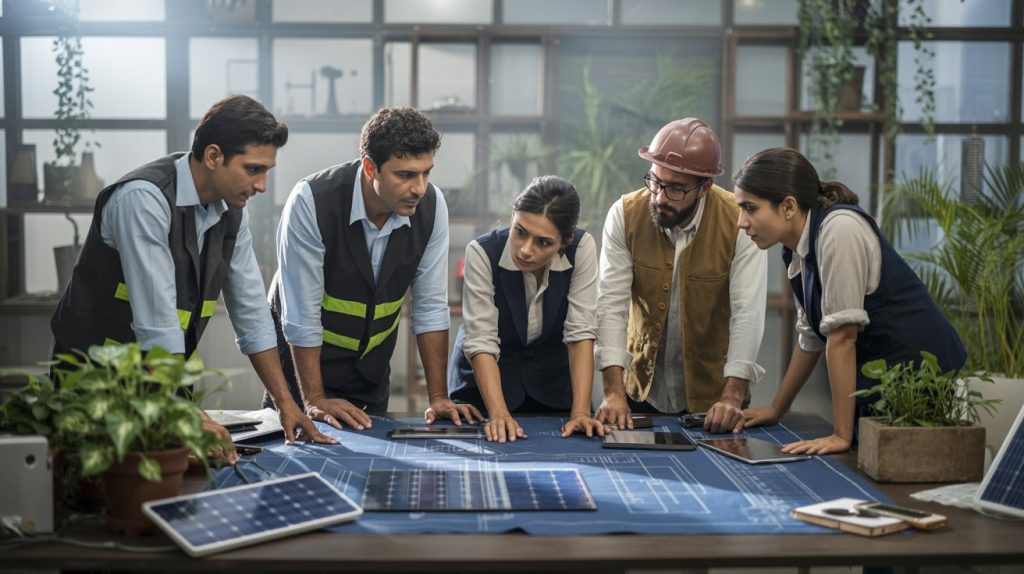
Solar panel installations have grown exponentially in Pakistan, driven by net metering policies and declining solar technology costs. Many new construction projects now integrate renewable energy systems during the design phase rather than retrofitting them later.
Battery storage systems and smart energy management technologies are also becoming more common in sustainable construction projects, allowing buildings to operate independently during power outages while maintaining energy efficiency.
Water Conservation and Waste Reduction Strategies
Rainwater Harvesting Systems
Pakistan’s monsoon climate presents excellent opportunities for rainwater collection. Modern sustainable construction projects increasingly incorporate rainwater harvesting systems that can supply 30-60% of a building’s non-potable water needs.
These systems include roof collection areas, storage tanks, and filtration equipment designed to capture and store rainwater for irrigation, cleaning, and other non-drinking applications.
Greywater Recycling and Water Efficiency
Greywater reuse systems treat and recycle water from sinks, showers, and washing machines for irrigation and toilet flushing. These systems can reduce overall water consumption by 25-35% in residential and commercial buildings.
Low-flow fixtures, efficient irrigation systems, and smart water management technologies are becoming standard features in sustainable construction projects across Pakistan.
Construction Waste Management
Modern sustainable construction emphasizes waste reduction and material recycling during the building process. This includes sorting construction waste for recycling, using prefabricated components to reduce on-site waste, and implementing circular construction techniques that minimize material waste.
Incentives and Policies Accelerating Green Building Adoption
Financial Incentives and Tax Benefits
Various provincial governments in Pakistan offer tax incentives for buildings that meet environmental performance standards. These incentives can include reduced property taxes, development fee waivers, and accelerated permitting processes for certified green buildings.
International financing options are increasingly available for sustainable construction projects, with development banks and green bonds providing favorable lending terms for environmentally compliant buildings.
Building Codes and Certification Programs
Pakistan’s building codes are evolving to include environmental performance standards. While implementation varies by region, these codes create minimum requirements for energy efficiency, water conservation, and environmental impact reduction.
International certification programs like LEED and local green building standards are gaining recognition, helping developers demonstrate their environmental credentials to tenants and buyers.
Challenges and Barriers to Implementation
Cost and Financial Constraints
The primary barrier to eco-friendly construction in Pakistan remains the higher upfront costs associated with sustainable materials and systems. While long-term savings are substantial, many developers struggle with the initial capital requirements.
Limited access to green construction financing and higher interest rates for innovative building projects compound these financial challenges.
Supply Chain and Material Availability
Pakistan’s construction supply chain is still adapting to demand for sustainable materials. Limited local production of certain eco-friendly materials leads to higher costs and longer lead times for green construction projects.
Quality control and standardization of sustainable materials also present challenges, as the market for these products is still developing.
Skills and Knowledge Gaps
The Pakistani construction workforce needs training in sustainable building techniques and technologies. This skills gap affects both design professionals and construction workers, slowing the adoption of green building practices.
How Companies Can Contribute to and Benefit from Sustainable Construction
Strategic Positioning in the Green Market
Companies in Pakistan’s construction sector can position themselves advantageously by developing expertise in sustainable construction practices. This includes investing in green technology capabilities, training staff in sustainable building techniques, and obtaining relevant certifications.
Early adopters of sustainable practices often gain competitive advantages through improved reputation, access to green financing, and ability to bid on environmentally conscious projects.
Innovation and Product Development
Manufacturers and suppliers can develop products specifically designed for Pakistan’s sustainable construction market. This might include climate-appropriate insulation materials, locally produced sustainable building components, or innovative recycling systems for construction materials.
Companies like steel manufacturers can invest in cleaner production technologies and develop marketing strategies that highlight their environmental credentials.
Building Strategic Partnerships
Collaboration between material suppliers, contractors, architects, and developers creates opportunities for integrated sustainable construction solutions. These partnerships can help overcome individual company limitations and create comprehensive green building offerings.
Moving Forward: Pakistan’s Sustainable Construction Future
The shift toward eco-friendly construction practices in Pakistan represents both a challenge and an opportunity for the construction industry. While barriers exist, the combination of economic incentives, regulatory pressure, and market demand creates a compelling case for sustainable building practices.
Companies that invest early in sustainable construction capabilities position themselves for long-term success in a market that increasingly values environmental performance alongside traditional construction priorities. The key lies in understanding local conditions, adapting global sustainable practices to Pakistani contexts, and building the capabilities needed to deliver environmentally responsible construction solutions.
Success in this evolving market requires commitment to continuous learning, investment in appropriate technologies, and collaboration across the construction value chain. For Pakistan’s construction industry, the question isn’t whether to embrace sustainability it’s how quickly and effectively companies can adapt to meet growing demand for eco-friendly building solutions.